What Is Art Direction? How Brands Design Outside the Box
Oct.2026
Read Article
↓
↓
What Is Art Direction? How Brands Design Outside the Box
The short answer: art direction is the work of deciding how a brand looks and feels in every piece it puts out: the images, colours, type, layout and mood. An art director turns a brand's strategy into a visual language, then makes sure every photo, film, ad and space speaks it.
Think of the last campaign that stopped you scrolling. The striking photo, the unexpected colour, the line of type that felt just right: none of it was an accident. Someone made those choices, and made them work together. That is art direction.
For a brand, it is the difference between looking consistent and looking like five different companies. This guide explains what art direction means, how it differs from creative direction and graphic design, how the process works, and how good art direction lets a brand design outside the box without losing itself.
Art direction vs creative direction vs graphic design
The three roles are often confused because they work so closely together. The simplest way to separate them: creative direction decides the idea, art direction decides how it looks, and graphic design builds the pieces.
Creative direction | Art direction | Graphic design | |
|---|---|---|---|
Main question | What is the big idea? | How should the idea look and feel? | How do we build each piece? |
Covers | Concept, message, tone across all channels | Visual style, imagery, colour, type, layout, mood | Logos, layouts, brochures, social posts, packaging files |
Works on | The whole campaign or brand | The visual side of the campaign or brand | Individual pieces |
Typical output | Campaign idea, brand story | Mood boards, style frames, shoot direction, visual rules | Finished, print-ready and screen-ready files |
In advertising, the art director usually pairs with a copywriter: one owns the picture, the other the words. In branding, the art director keeps the visual identity consistent as it moves from the logo to photography, films, packaging and spaces.
How art direction works, step by step
Every project is different, but good art direction in branding follows the same five steps.
Start from the strategy. The art director reads the brief and the brand identity: who the audience is, what the brand stands for, and what this piece of work must achieve.
Find the visual idea. Mood boards, references and rough sketches explore how the idea could look. This is where a few directions are tested and one is chosen.
Set the visual rules. Colour, type, image style, composition and mood are fixed, so everyone making the work knows what "on brand" means.
Direct the making. The art director guides photographers, filmmakers, illustrators and designers on shoot days and in the studio, for brand films, photography and 3D, social media campaigns, and spaces and signage.
Review and refine. Every piece is checked against the rules before it goes out, and the rules are updated as the brand grows.

The three foundations of good art direction
01 Understand your canvas. Every medium has its own rules. A hoarding is read in two seconds from a moving car, a brochure is held and felt, a reel is watched on a phone with the sound off, and a restaurant wall is seen from across the room. The art director plans for each one: the format, the viewing distance, the resolution, and for digital work, how fast it loads and how people move through it.
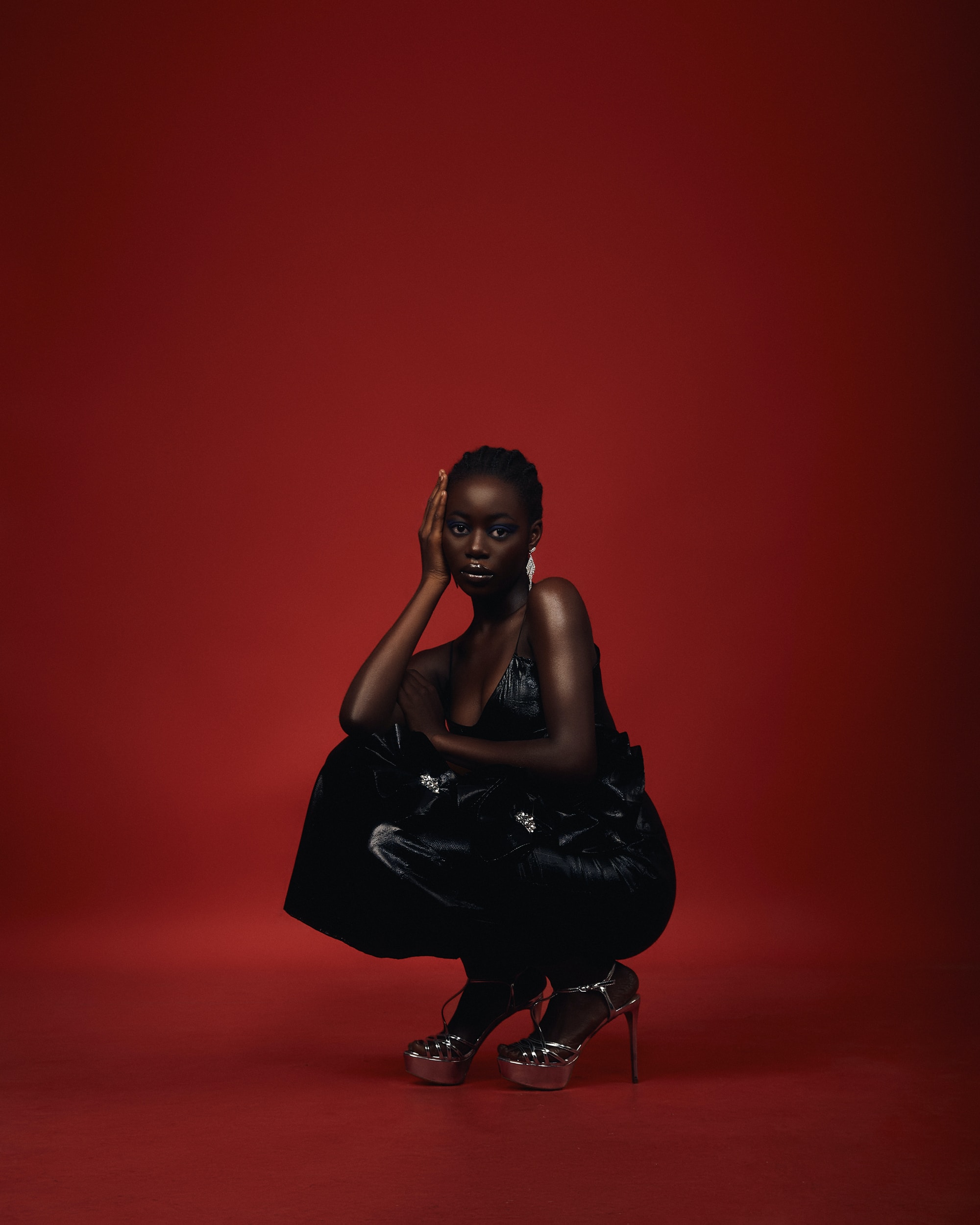
02 Use colour with intent. Colour shapes how people feel before they read a word. Blue is widely read as calm and trustworthy, red as energetic, gold as premium. Meanings also shift with culture: in India, red and gold carry celebration as much as urgency. Good art direction picks a palette for what it should make the audience feel, then holds it steady across every medium so the colours themselves become recognisable.
03 Make typography readable first. Type sets the voice of a brand as much as its words do. The right typeface has to fit the brand's character and still read clearly on a phone, a pack and a building. Careful line spacing, letter spacing and size do more for a design than an unusual font.
Designing outside the box without breaking the brand
The best art direction surprises people and still feels unmistakably like the brand. A few habits make that possible.
Know the rules before you bend them. A surprise only works against a clear, consistent base. Break one rule at a time, on purpose.
Look outside your category. A real estate brand can borrow from fashion, a restaurant from cinema. The unexpected reference is often the memorable one.
Use local culture, not stock imagery. Hindi lettering, Indian craft, a city's own colours and textures give a brand something no template can.
Let one element lead. A bold colour, a striking photograph or an unusual material. When everything shouts, nothing stands out.
Test it where it will live. A design that wows on a laptop can disappear on a phone screen or a shelf. Judge it in its real setting.
Art direction in practice: four examples
Here is how these ideas show up in work from our studio.
A character instead of a logo. The SAAQI menu leads with an illustrated woman in sunglasses. One confident illustration gives the whole menu a personality guests remember.
Local script, made bold. Khan Chacha uses Hindi lettering inside round red-and-cream badges. It is rooted in where the brand comes from, and instantly recognisable.
A finish you can feel. The Miraabilis brochure pairs a clean white cover with a gold-embossed logo. The restraint says luxury before a single page is turned.
Mood before detail. The Trevana visuals show the entrance against open sky and still water. The calm, light-filled frame sells a way of living, not just a building.
Each one makes a single strong choice and holds it everywhere the brand appears. You can see more in our case studies.
Frequently asked questions
What is the meaning of art direction? Art direction means guiding the visual side of a brand or campaign: deciding the style, imagery, colour, type and mood, and making sure every piece follows it.
What does an art director do? An art director sets the visual direction for a project, guides the photographers, designers and filmmakers who make the work, and checks every piece before it goes out.
What is the difference between art direction and creative direction? Creative direction decides the overall idea and message. Art direction decides how that idea looks. On most projects the creative director leads the concept and the art director leads the visuals.
What is art direction in advertising? In advertising, the art director works with a copywriter to create campaigns. The art director owns the visuals: the photography, layout and design of each ad, across print, outdoor, social and film.
What is art direction in graphic design? In graphic design, art direction is the set of visual decisions that keeps a body of design work consistent. The art director sets the rules and the designers apply them to each piece.
Work with an art-directed studio
4:DESIGN is a branding agency in New Delhi. Our team art-directs brand identities, brand films, photography and 3D, campaigns and spaces for real estate, hospitality, food and consumer brands. If you want a brand that looks as considered as it is, see our work or call +91 981 122 5522.
SHARE ARTICLE