25 Food Photography and Product Photoshoot Ideas, with an Art Director's Shot List
Nov.2026
Read Article
↓
↓
25 Food Photography and Product Photoshoot Ideas, with an Art Director's Shot List
The short answer: the best food and product photos start with a clear idea, not a camera. Decide what the picture should make people feel or do, pick a concept that shows it, then plan every shot before the shoot day. Below are 25 ideas, 15 for food and 10 for products, plus the shot list and art direction tips we use to plan a shoot.
Whether you run a restaurant, a café, a cloud kitchen or a consumer brand, your photos do the selling on delivery apps, menus, packaging, websites and social media long before anyone tastes or touches what you make. Good ideas and good planning matter more than expensive equipment.
15 food photography ideas
Hero and menu shots
The signature dish, hero lit. One plate, one light from the side, a clean background. This is the shot for menus, delivery apps and the website.
Top-down table spread. A full table from above: mains, sides, breads, drinks and hands reaching in. Perfect for sharing platters, thalis and family meals.
The 45-degree classic. The angle a diner sees when the plate arrives. Best for burgers, biryani pots, cakes and anything with height.
Close-up texture. Get near enough to see the crust on a naan, the char on a kebab or the layers in a pastry. Texture makes people hungry.
Action and process shots
The pour. Chai poured from height, gravy over rice, syrup over pancakes. Movement adds life to a still frame.
The pull. Cheese stretching from a slice, a paratha torn in half, a roll broken open.
Hands at work. A chef shaping dough, rolling a kathi roll or plating a dessert. It shows craft and care.
Fire and smoke. The tandoor, the tawa, the grill. Smoke and flame say fresh and made to order.
Ingredients before and after. Raw ingredients laid out next to the finished dish tells the story of what goes into it.
Story and mood shots
The table in use. Half-eaten plates, crumbs, a glass being lifted. Real moments feel more inviting than perfect ones.
The setting. The dish photographed in your space: the window seat, the counter, the street outside. It sells the experience, not just the food.
Seasonal and festive. Mithai boxes for Diwali, mango dishes in summer, warm soups and gajar halwa in winter. Plan shoots ahead of each season.
Colour stories. Build a frame around one colour from the dish: saffron, green chutney, red chilli. It gives your feed a recognisable look.
Street-food energy. Hard light, steel plates, newspaper wraps and busy backgrounds. It works for brands built on everyday Indian food.
Delivery-ready. The food in your packaging, opened at home. Customers want to know what will actually arrive.
10 product photoshoot ideas
Clean packshot. The product on white or a single brand colour, evenly lit. Essential for e-commerce listings and quick-commerce apps.
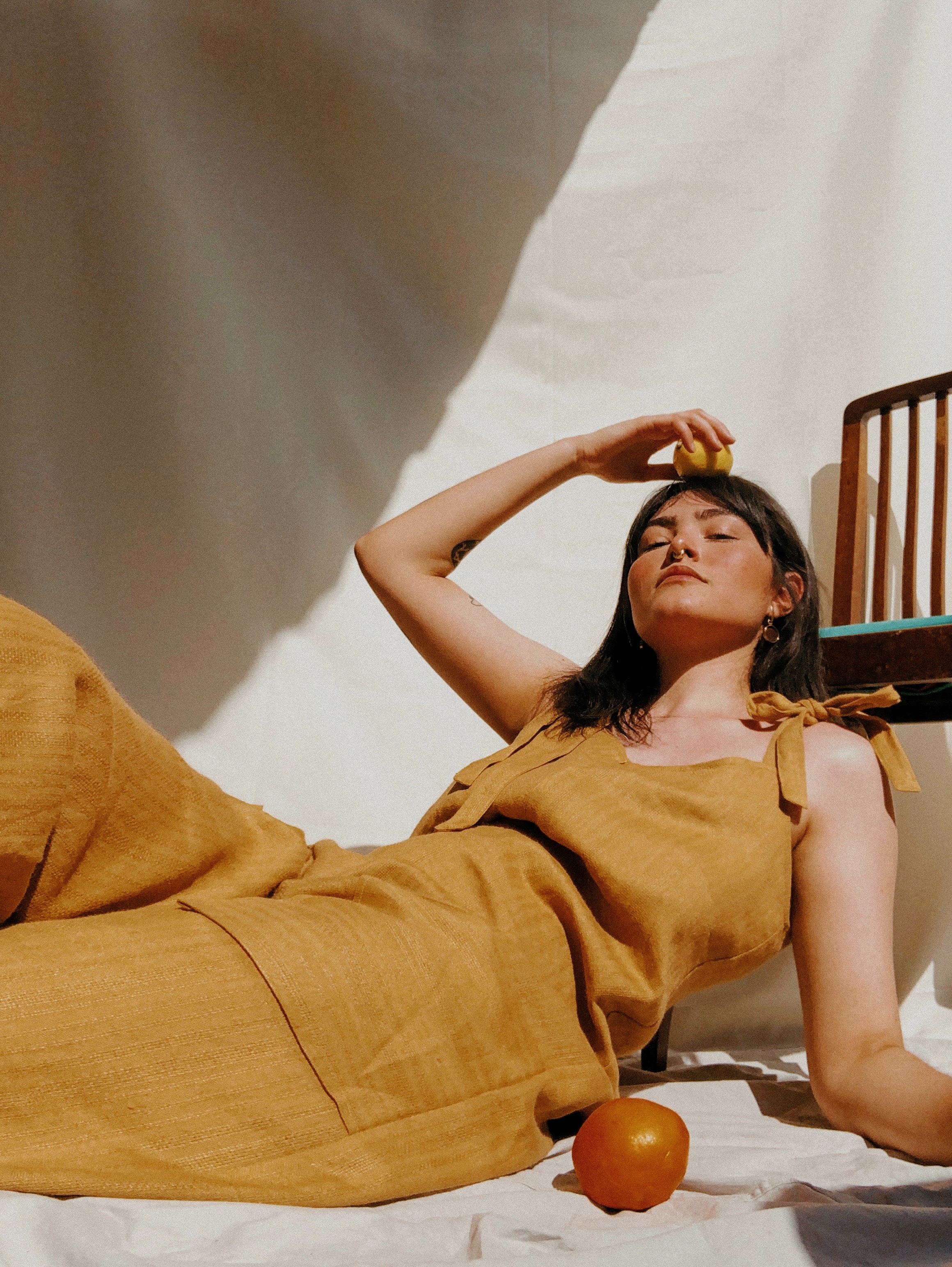
Hero on a coloured set. A bold backdrop in a brand colour, with one prop that hints at the product's use.
Flat lay. The product with its ingredients, tools or accessories arranged from above.
In use. Real hands opening, pouring, applying or wearing the product.
Lifestyle in context. The product in the kitchen, bathroom, desk or bag where it actually lives.
Scale shot. The product held in a hand or next to everyday objects, so buyers understand the size.
Range line-up. All the variants or flavours in a row, showing the range system on the packs.
Detail and material. Close-ups of texture, stitching, finish or the label's key claim.
Ingredient story. The product surrounded by what it is made from: spices, fruit, botanicals.
Unboxing. The pack being opened, layer by layer. It is especially useful for gifting and D2C brands.
For a brand photoshoot, combine these: product shots, the people behind the brand, the space where it is made or sold, and a few mood images that capture the brand's personality. Together they give your website and social media a consistent library for months.
A simple shot list template
Write one before every shoot. It keeps the day on time and makes sure nothing is missed.
# | Shot | Angle | Where it will be used | Props and styling | Format |
|---|---|---|---|---|---|
1 | Signature dish, hero | 45° | Menu, website, delivery app | Brand plate, linen napkin | Landscape and square |
2 | Table spread | Top-down | Instagram, website banner | Full table, hands | Portrait 4:5 |
3 | Chai pour | Side | Reels, stories | Kettle, kulhad | Vertical video and still |
4 | Product packshot | Straight on | E-commerce, quick-commerce | White sweep | Square |
5 | Product in use | Over the shoulder | Website, ads | Kitchen counter, real hands | Landscape and vertical |
Add columns for the people in the shot, the time slot and who signs it off if the shoot is large.
Art director's tips for planning a shoot
Good art direction is what turns a list of shots into a set of pictures that look like one brand.
Start from the brand, not the trend. Pick lighting, colours, props and mood that match the brand's personality, and use them on every shoot.
Make a mood board. Collect 10 to 20 reference images and agree on them with the team before the shoot day.
Plan for every format at once. Shoot each set-up for landscape, square and vertical, and capture short video when there is movement.
Style the food for the camera. Cook small batches for each shot, keep garnishes fresh and photograph hot food fast, before it loses its shine.
Use one main light. Soft daylight from a window or one large light from the side gives depth. Too many lights make food look flat.
Leave room for text. Some shots will carry a headline, a price or a logo. Plan clean space in the frame for them.
Check on the screen where it will live. Look at test shots on a phone, at the size of a delivery-app tile, before you move on.
Keep a brand library. Name and file the final images so the team can find the right one later.
On larger projects a creative director sets the idea for the whole shoot and the art director turns it into the look of each frame.
Frequently asked questions
How do I make food look good in photos?
Use soft side light, shoot fresh food quickly, choose the angle that shows the dish best (top-down for flat dishes, 45 degrees for tall ones), keep the background simple and add one or two props that tell a story.
What is the best angle for food photography?
It depends on the dish. Top-down works for pizzas, thalis and table spreads. A 45-degree angle suits burgers, bowls and plated meals. A straight-on angle shows layers in cakes, drinks and sandwiches.
What should a product photoshoot include?
At minimum, a clean packshot for listings, a few in-use or lifestyle shots, a scale shot and close-ups of key details. Add a range line-up if you sell several variants.
Can I shoot food photos on a phone?
Yes, for everyday social posts. Use daylight from a window, clean the lens, avoid the flash and keep the frame simple. For menus, packaging, websites and campaigns, a planned professional shoot gives more consistent results.
How long does a food or product shoot take?
A focused shoot of 10 to 15 dishes or products usually takes a full day, including set-up and styling. Planning the shot list and props takes a few days before that.
Plan your next shoot with 4:DESIGN
4:DESIGN is a branding agency in New Delhi. We art direct and produce food and product shoots for restaurants, hotels, food and consumer brands. See our restaurant work for Khan Chacha. Browse our case studies to see the work, or call +91 981 122 5522 to plan your next shoot.
SHARE ARTICLE